French Croissants
Flaky, buttery layers that melt effortlessly in your mouth with every bite. They taste even better when paired with fresh jam or a warm cafe au lait at a Parisian bakery.
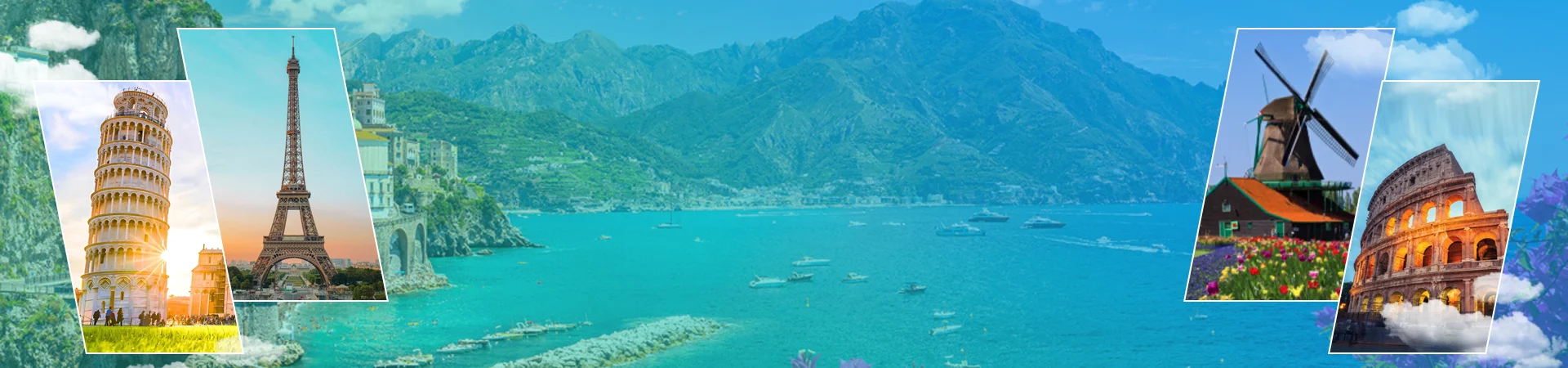
You are about to enter an area where centuries of art, architecture, cuisine, history, and scenic beauty all combine harmoniously. It gives you the impression of strolling through a living postcard. You do not require another immigration stamp to go to different nations, cultures, and time zones with a single visa. You may explore postcard-perfect towns, medieval castles, and world-class cities. One of the most thrilling places to travel in the world is the Schengen Zone. Traveling the Schengen Zone like an expert is made easier with this guide.

Language
English , French, German, Italian, Spanish, Dutch, Danish, Swedish, Polish, Portuguese, Finnish.
Emergency Numbers
Dial 112 for general emergencies across all Schengen countries.
Power Plugs
Two round pins and a Type C or Type F plug are required. 230V is the standard voltage.
Currency and Payments
You will mostly use the Euro.
Time Zone
Central European Summer Time or Central European Time. Some follow Eastern European Time.It is ideal to explore the city in the spring. If you enjoy parks in bloom, nice weather, and fewer visitors, you must go during this season.
The days are longer. You can take advantage of outdoor events, beach weather, and festivals.
You take advantage of fantastic travel offers, pleasant weather, and beautiful fall foliage.
Christmas markets, winter festivals, skiing, and holiday shopping are all available during this time of the year.
You can walk through famous sites including the Champs-Elysees, the Louvre, and the Eiffel Tower. With unparalleled art, fashion, cafes, and gorgeous vistas, every nook feels like a movie.
Cycling trails, ancient bridges, and lovely canals are all available for exploration. Every visitor can find something to enjoy in its tulip fields, museums, and nightlife.
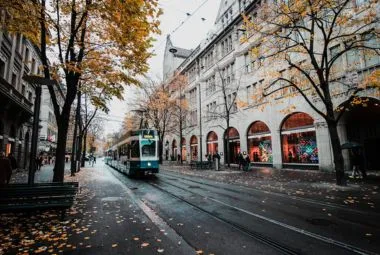
The proximity to the Swiss Alps and the beautiful views of the lake make for a delightful journey. It offers an excellent vacation experience in a refined, clean environment.
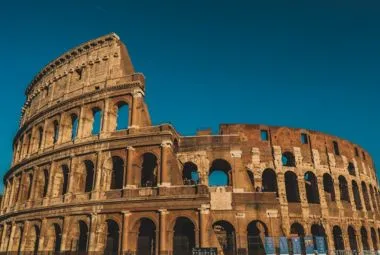
You can stroll around historic sites, including the Roman Forum, Vatican City, Pantheon, and the Colosseum. Every moment is unforgettable, thanks to the cuisine, architecture, and history.
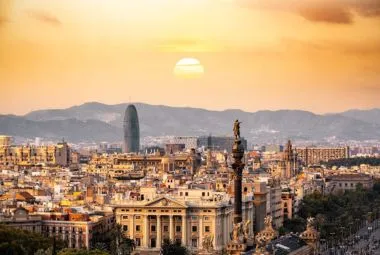
The magnificent Gaudi architecture and lively beach towns will astound you. Travelers adore the city primarily for its nightlife, beaches, and food markets.

You go to magnificent museums, royal palaces, and classical concert halls. Its sophisticated coffeehouse culture and harmonious atmosphere provide for a pleasant urban experience.
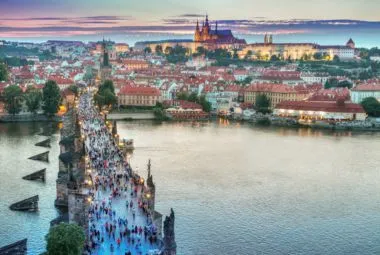
You stroll past historic squares, Gothic towers, and cobblestone streets. Day or night, the fairytale ambiance of the ancient town is captivating.
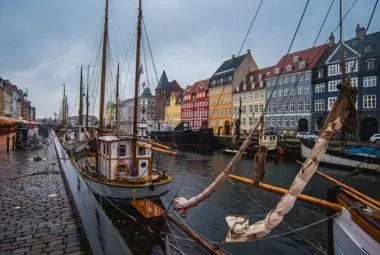
You can visit fairy-tale royal palaces, waterfront restaurants, and museums with modern interiors. The city is tidy, welcoming, and ideal for cycling.
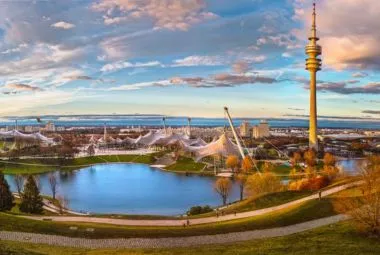
Munich hosts seasonal festivals. You can visit the beer gardens and admire Bavarian architecture. Castles and the Alps are also easily accessible from the city.
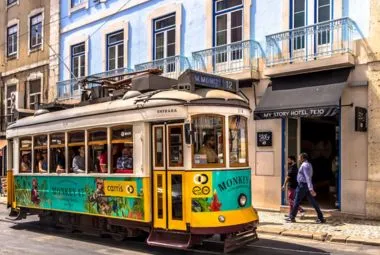
You may tour lively areas and ascend picturesque slopes with views of the Atlantic. Traveling to Lisbon is unforgettable owing to its culinary scene, trams, and friendly people.
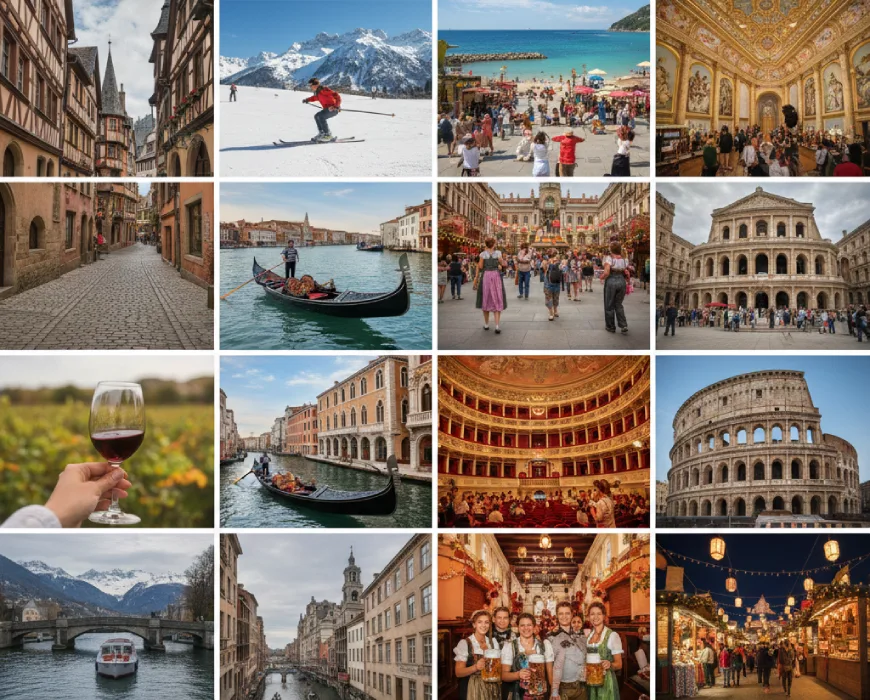
You learn about a diverse range of European traditions influenced by historical empires, kingdoms, and artistic movements.
Punctuality, personal space, and courteous communication are valued in many countries.
There are significant geographical differences in folk dances, music, traditional festivities, and costumes. From Swiss traditional festivals to Viennese balls in Austria to flamenco in Spain.
Particularly in Italy, Spain, France, and Greece, food has a strong cultural and familial connection.
Architecture, fashion, and art are all very important everywhere. From modern Scandinavian design to medieval Italy.
Knowing a few Italian phrases enhances your experience and lets you interact with locals.
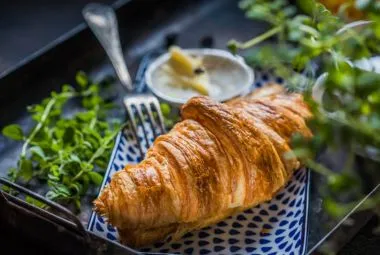
Flaky, buttery layers that melt effortlessly in your mouth with every bite. They taste even better when paired with fresh jam or a warm cafe au lait at a Parisian bakery.
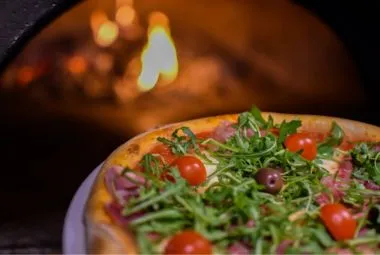
A soft, chewy crust topped with simple ingredients like fresh tomatoes, mozzarella, and basil.
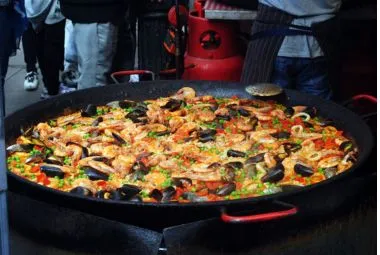
Saffron-infused rice mixed with seafood, chicken, or vegetables.

Juicy grilled sausages served with mustard, bread rolls, or crispy fries.
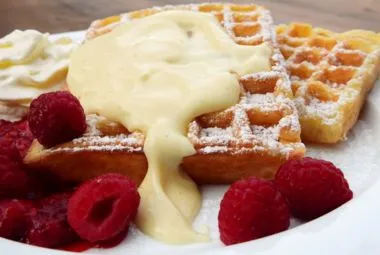
Golden, airy waffles with deep pockets perfect for syrup, whipped cream, or chocolate.p>
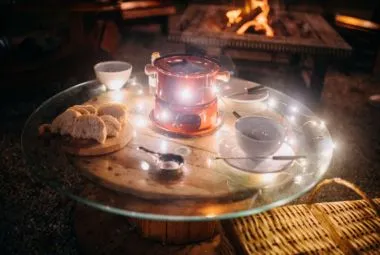
Bread into a bubbling pot of melted cheese made from Swiss Gruyere and Emmental.
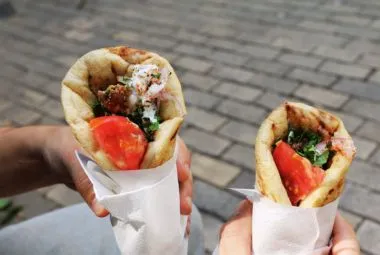
Tender slices of roasted meat wrapped in pita with tomatoes, onions, and tzatziki.
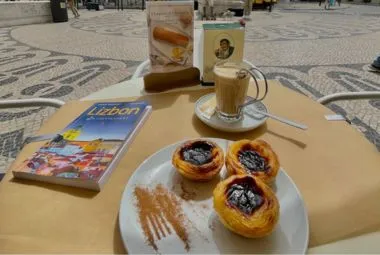
Creamy egg custard inside a crispy, flaky tart that’s lightly dusted with cinnamon.
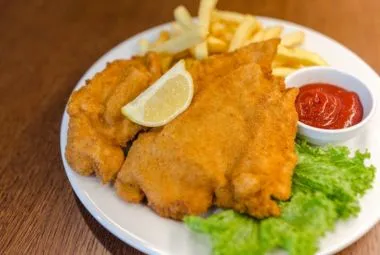
A thin, breaded veal or chicken cutlet fried to golden perfection.
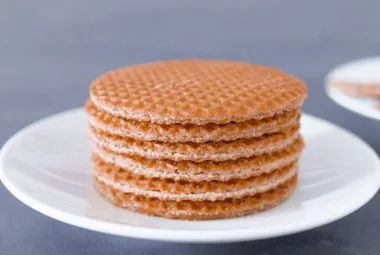
Two thin waffles held together by gooey caramel syrup. They taste even better when warmed over a hot cup of coffee or tea.
Most non-EU visitors require a Schengen Tourist Visa to enter the Schengen Zone. Unless you are from a nation that does not need a visa. It permits admission for up to 90 days during a 180-day term. Your passport, photos, vacation itinerary, hotel reservations, return flight reservations, financial proof, and compulsory travel insurance with a minimum coverage of 30,000 euros must all be submitted. You can travel freely between all Schengen countries without any further border checks once your application has been accepted. You should apply through the nation you plan to enter first or where you will spend the most of your time. Immigration officials may request travel verification or information about your accommodations at the point of entry, even after you have received your visa. Before you travel, be sure to acquaint yourself with the most recent guidelines.
High Speed Trains - For quick and beautiful travel, take the TGV, ICE, Thalys, and Eurostar high-speed trains.
Domestic Flights - Ryanair, EasyJet, and Wizz Air are low-cost carriers that provide affordable flights between cities.
Buses - On intercity routes, long-distance buses like Eurolines and FlixBus save money.
Metro - Travel within large cities with the metro networks.
Bicycles - Rent bicycles in Amsterdam, Copenhagen, Munich, and Vienna for short-distance travel.
Ferries - Ferries link coastal locations such as the Nordic nations, Greece, and Italy.
Ride-hailing apps - Bolt, Uber, and FreeNow operate in many cities.
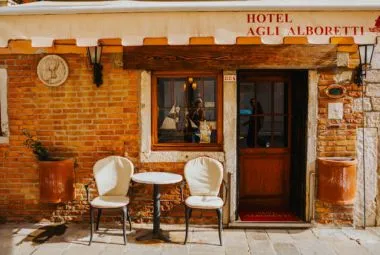
Budget hotels and hotels for economical stays.
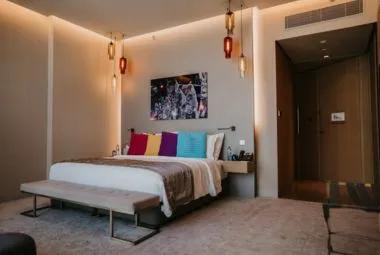
Mid-range hotels with decent comforts and central locations.
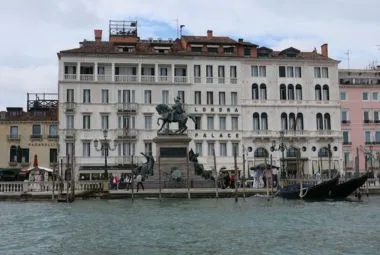
Luxury hotels, resorts, and historic palaces for exclusive experiences.
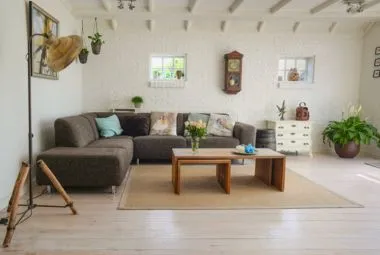
Serviced apartments and Airbnb for long stays.
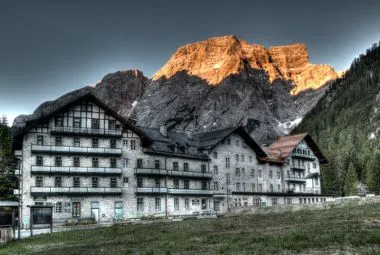
Countryside lodges, mountain cabins, and lake cottages for nature lovers.
Sightseeing Costs
Accommodation Costs
Transport Costs
Food and Drink Costs
Money-Saving Tips
Schengen Safety Tips and Travel Advice
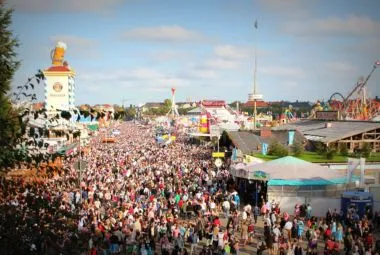
The largest beer celebration in the world, Oktoberfest features traditional Bavarian music, costumes, and delectable cuisine. It is a remarkable social event, marked by a lively atmosphere, enormous tents, and joyous parades.
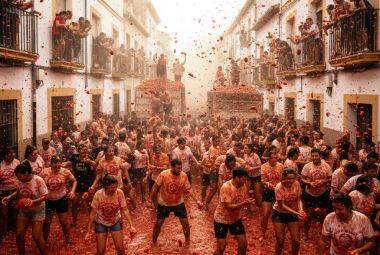
You can participate in a huge tomato-throwing competition in the streets of Bunol with thousands of other people. It is one of the most entertaining festivals in Europe.
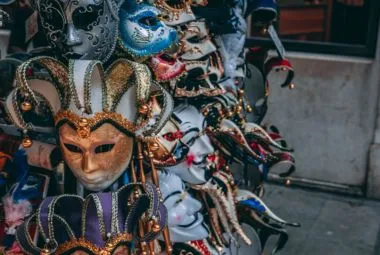
You see elaborate costumes, beautiful masks, and masquerade balls that replicate the magic. The city plazas, palaces, and waterways provide a venue for artistic and traditional performances..
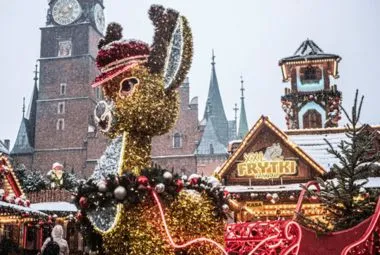
Festive Christmas Market with Golden Reindeer.
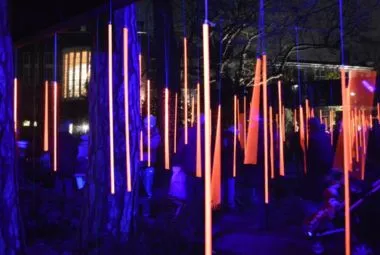
Artistic lightworks created by gifted designers from all over the world illuminate the city canals. It is like touring an outdoor art gallery when you stroll or sail through the illuminated installations..
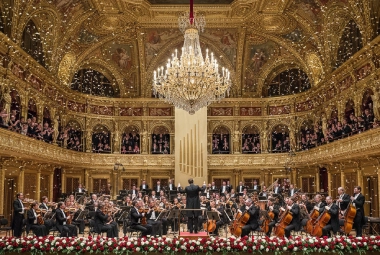
You can enjoy world-class classical performances every January.
5-Day Itinerary
7-Day Itinerary
10-Day Itinerary
Your trip to Schengen might become more than just a vacation if you plan ahead. It becomes an adventure that will never be forgotten while visiting some of the most amazing places on earth.